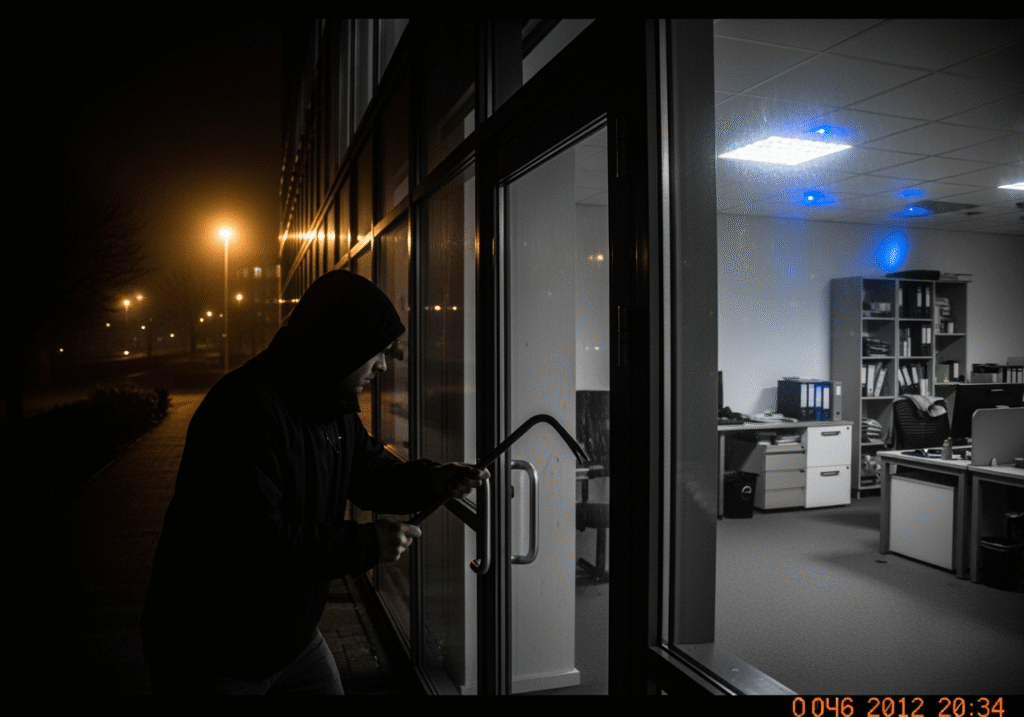
When most small and medium-sized enterprises (SMEs) think about security, they often focus on the upfront costs—CCTV systems, alarm installations, security personnel, or monitoring services. However, what many business owners fail to consider is the devastating financial impact of what happens when security fails. The real cost of a security breach extends far beyond the immediate loss of stock or equipment, creating a ripple effect that can threaten the very survival of your business.
In today’s interconnected world, where SMEs handle everything from customer data to valuable inventory, understanding the true cost of security breaches isn’t just important—it’s essential for business survival. Let’s explore the hidden expenses that could be lurking in your future if your security measures aren’t up to scratch.
The Immediate Financial Impact: More Than Just Missing Stock
When we think of security breaches, the first thing that comes to mind is often theft—someone breaking in and stealing physical goods. Whilst this is certainly a concern, the immediate costs go much deeper than the retail value of missing items.
Direct Losses and Replacement Costs
The most obvious cost is the replacement value of stolen goods, equipment, or cash. However, this figure rarely tells the whole story. Consider a small manufacturing business that loses £10,000 worth of finished products. The actual cost includes:
- Raw materials used in production
- Labour costs for manufacturing
- Overhead expenses allocated to those products
- Lost profit margins on future sales
- Emergency replacement costs (often at premium prices)
What appeared to be a £10,000 loss could easily escalate to £15,000 or more when all factors are considered.
Emergency Response and Immediate Repairs
Security breaches rarely occur without causing additional damage. Forced entry often means:
- Broken doors, windows, or security barriers requiring immediate repair
- Damaged locks, alarm systems, or CCTV equipment
- Emergency glazing and boarding services
- Temporary security measures whilst permanent repairs are completed
- Call-out fees for emergency services outside normal hours
These emergency repairs typically cost 2-3 times more than planned maintenance, adding thousands to your immediate expenses.
Insurance Excess and Premium Increases
Whilst insurance may cover some losses, the excess payments can be substantial. More concerning is the long-term impact on your premiums. A single claim can increase your insurance costs by 20-50% for several years, and multiple claims might make you uninsurable with mainstream providers, forcing you into specialist (and expensive) markets.
The Hidden Operational Costs: When Business Grinds to a Halt
Perhaps the most underestimated aspect of security breaches is their impact on day-to-day operations. These disruptions can cost far more than the initial theft or damage.
Business Interruption and Lost Revenue
When a security breach occurs, business rarely continues as normal. You might face:
- Temporary closure whilst police investigate and repairs are completed
- Reduced operating capacity due to damaged equipment or facilities
- Staff unable to work effectively in a disrupted environment
- Cancelled appointments or delayed deliveries
- Lost sales during the recovery period
For a typical SME generating £500,000 annually, just three days of complete closure represents over £4,000 in lost revenue—and that’s assuming you can resume normal operations immediately.
Staff Productivity and Morale Impact
Security breaches don’t just affect physical assets; they significantly impact your team. Employees may experience:
- Reduced productivity due to stress and anxiety about workplace safety
- Time spent dealing with police, insurance assessors, and repair contractors instead of core duties
- Overtime costs for staff working to catch up on delayed projects
- Potential sick leave if employees feel unsafe returning to work
- Recruitment costs if valuable team members leave due to security concerns
The psychological impact on staff is often overlooked but can persist for months after the incident, continuously affecting productivity and workplace atmosphere.
Supply Chain Disruption
Modern businesses rely heavily on just-in-time delivery and lean inventory management. A security breach can disrupt these carefully balanced systems:
- Emergency reordering of stolen stock, often at premium prices
- Expedited shipping costs to meet customer commitments
- Renegotiation of supplier terms due to changed circumstances
- Potential penalties for late delivery to your own customers
- Lost volume discounts due to disrupted ordering patterns
The Long-Term Financial Consequences: Damage That Lasts for Years
Whilst immediate costs are painful, the long-term financial impact of security breaches can be even more devastating for SMEs.
Customer Trust and Reputation Damage
In our digital age, news of security breaches spreads quickly. The reputational damage can include:
- Lost customers who question your ability to protect their interests
- Difficulty attracting new customers who’ve heard about your security issues
- Reduced customer confidence leading to smaller orders or delayed payments
- Negative online reviews and social media commentary
- Potential media coverage if the breach is significant
Studies suggest that SMEs can lose 20-40% of their customer base following a significant security incident, with recovery taking 12-18 months even with proactive reputation management.
Regulatory Compliance and Legal Issues
Depending on your industry, security breaches might trigger regulatory investigations or legal action:
- GDPR fines if customer data is compromised (up to £17.5 million or 4% of annual turnover)
- Industry-specific penalties for businesses in regulated sectors
- Legal action from customers or suppliers affected by the breach
- Increased scrutiny from regulatory bodies affecting future operations
- Costs of legal representation and compliance consultancy
Increased Security Investment Requirements
Following a breach, you’ll likely need to invest significantly more in security than if you’d implemented proper measures initially:
- Enhanced physical security systems to prevent repeat incidents
- Professional security assessments and ongoing monitoring
- Staff training and security awareness programmes
- Regular security audits and compliance checks
- Higher specification equipment to meet insurance requirements
This reactive investment typically costs 3-5 times more than proactive security planning.
Industry-Specific Vulnerabilities: Tailored Risks for Different Sectors
Different types of SMEs face varying security risks and associated costs. Understanding your sector’s specific vulnerabilities is crucial for accurate risk assessment.
Retail and Hospitality
These businesses face unique challenges:
- High-value, easily portable stock attractive to thieves
- Cash handling creating additional theft risks
- Customer-facing locations with multiple access points
- Seasonal variations in stock levels and staffing
- Point-of-sale systems vulnerable to both physical and cyber attacks
A typical retail security breach might cost 15-25% of annual profit, with recovery taking 6-12 months.
Manufacturing and Industrial
Manufacturing SMEs often underestimate their security risks:
- Expensive machinery and raw materials
- Intellectual property theft through industrial espionage
- Supply chain vulnerabilities
- Health and safety implications of security breaches
- Environmental compliance issues if hazardous materials are involved
Professional Services
Even office-based businesses aren’t immune:
- Valuable IT equipment and data storage devices
- Client confidentiality breaches leading to professional liability claims
- Intellectual property theft
- Regulatory compliance issues in sectors like finance or healthcare
- Business continuity challenges if critical systems are compromised
The Cyber-Physical Security Convergence: Modern Threats Require Modern Thinking
Today’s security landscape isn’t just about physical theft. The convergence of cyber and physical security creates new vulnerabilities that many SMEs haven’t considered.
Data Breaches Through Physical Access
A physical security breach can easily become a data breach:
- Stolen computers containing unencrypted customer data
- Access to servers or network infrastructure
- Theft of backup drives or storage devices
- Compromised access cards or security tokens
- Physical access to systems allowing cyber attacks
Internet of Things (IoT) Vulnerabilities
Modern security systems themselves can become entry points:
- Unsecured CCTV cameras accessible via the internet
- Smart locks or access control systems with default passwords
- Connected alarm systems vulnerable to hacking
- Mobile apps for security management with weak authentication
Remote Working Complications
The shift towards hybrid working has created new security challenges:
- Home offices with inadequate physical security
- Sensitive documents and equipment in unsecured locations
- Weak home network security affecting business systems
- Difficulty monitoring and controlling access to business resources
Prevention vs. Reaction: The Economics of Proactive Security
When we examine the total cost of security breaches, the economic argument for proactive security becomes overwhelming.
The Cost-Benefit Analysis
Consider a typical SME investing £5,000 annually in comprehensive security measures:
- Professional monitoring services
- Regular security assessments
- Staff training and awareness programmes
- Adequate physical security systems
- Cyber security measures
Compare this to the potential cost of a single significant breach:
- Immediate losses: £15,000
- Business interruption: £8,000
- Increased insurance premiums over 3 years: £6,000
- Lost customers and reputation damage: £25,000
- Enhanced security investment post-breach: £12,000
- Legal and compliance costs: £4,000
Total breach cost: £70,000
The return on investment for proactive security is clear—every pound spent on prevention could save you fourteen pounds in breach costs.
Modern Security Solutions for SMEs
Today’s security technology offers SMEs enterprise-level protection at affordable prices:
- Cloud-based monitoring systems providing 24/7 coverage
- AI-powered analytics reducing false alarms and improving response times
- Mobile apps enabling real-time monitoring and control
- Integration with existing business systems for seamless operation
- Scalable solutions that grow with your business
The Role of Professional Security Services
Many SMEs attempt to manage security in-house, but professional services offer significant advantages:
- Expertise in threat assessment and risk management
- Access to advanced technology and monitoring capabilities
- 24/7 response capabilities that most SMEs cannot maintain internally
- Regular updates on emerging threats and security best practices
- Compliance support for regulated industries
Building a Business Case for Security Investment
When presenting security investment proposals to stakeholders, focus on the business impact rather than technical specifications.
Quantifying the Risk
Start by calculating your business’s specific vulnerability:
- Annual revenue at risk from business interruption
- Value of physical assets requiring protection
- Cost of regulatory non-compliance in your sector
- Potential customer loss from reputation damage
- Insurance implications of inadequate security
Demonstrating Return on Investment
Present security investment as business insurance:
- Calculate the cost per day of comprehensive security coverage
- Compare this to the potential daily cost of a security breach
- Highlight the productivity benefits of staff feeling secure
- Emphasise the competitive advantage of robust security credentials
Implementation Planning
Develop a phased approach to security improvement:
- Immediate priorities addressing the highest risks
- Medium-term investments in enhanced capabilities
- Long-term strategic security planning
- Regular review and update cycles
- Integration with business growth plans
Conclusion: Security as a Strategic Business Investment
The real cost of security breaches for SMEs extends far beyond the immediate theft or damage. From operational disruption and lost revenue to long-term reputation damage and increased compliance costs, a single security incident can threaten your business’s survival.
However, this isn’t a story of inevitable doom. Modern security solutions offer SMEs unprecedented protection at reasonable costs. The key is shifting from reactive thinking—waiting until something happens—to proactive planning that treats security as a strategic business investment.
When you consider that comprehensive security coverage might cost less per day than a decent business lunch, whilst a single breach could cost months or years of profit, the choice becomes clear. In today’s business environment, the question isn’t whether you can afford to invest in proper security—it’s whether you can afford not to.
The businesses that thrive in the coming years will be those that recognise security not as an overhead, but as a fundamental enabler of growth, customer confidence, and operational excellence. By investing in proper security measures today, you’re not just protecting your assets—you’re investing in your business’s future.
Remember, every day you operate without adequate security is a day you’re gambling with everything you’ve worked to build. The costs we’ve outlined aren’t theoretical—they’re the reality facing thousands of SMEs every year. The choice is yours: invest in prevention today, or risk paying the much higher price of reaction tomorrow.
Your business deserves protection that matches your ambitions. Make security the foundation that supports your growth, not the weakness that threatens your survival.
For expert guidance on protecting your SME from security breaches, contact Mango Solutions Limited by visiting www.mangosolutions.uk or give our experienced team a call on 02382 028802. Our comprehensive security services combine cutting-edge technology with proven expertise to deliver the protection your business needs at a price you can afford.
#RetailSecurity, #ManufacturingSecurity, #ConstructionSecurity, #HealthcareSecurity, #HospitalitySecurity, #MangoSolutions, #SecurityExperts, #TechDrivenSecurity, #RapidResponse, #UKSecurityServices, #SecurityCosts, #BusinessContinuity