When that alarm activation comes through at 2 AM, your security officer has seconds to make critical decisions that could mean the difference between a safe resolution and a dangerous situation. This is where dynamic risk assessments become absolutely vital.
What Are Dynamic Risk Assessments?
A dynamic risk assessment is an ongoing evaluation of hazards and risks that security officers perform in real-time during alarm response situations. Unlike static risk assessments completed in the office, dynamic assessments happen on-site, adapting to changing circumstances as they unfold.
Think of it as your officer’s mental safety checklist that continuously updates based on what they observe, hear, and encounter during their response.
Why Dynamic Risk Assessments Matter in Alarm Response
The Reality of Alarm Situations
- 50% of alarms are false activations (often caused by environmental factors like spiders or high winds)
- Response times average 30-60 minutes nationwide, giving situations time to evolve
- Circumstances change rapidly – what starts as a simple alarm check can escalate quickly
Legal and Professional Requirements
Under the Health and Safety at Work Act 1974, employers have a duty of care to lone workers. For security officers responding to alarms, this means:
- Providing clear procedures for risk assessment
- Ensuring officers can make informed safety decisions
- Maintaining communication and support systems
The Dynamic Risk Assessment Process
1. Pre-Arrival Assessment (En Route)
Information Gathering:
- Review alarm type and activation details
- Check client history and site-specific risks
- Consider environmental factors (weather, time of day, location)
- Assess your own condition (fatigue, health, equipment status)
Key Questions:
- What type of alarm has activated?
- Is this a repeat activation or first occurrence?
- What are the known risks for this location?
- Do I have all necessary equipment and backup support?
2. Arrival and Initial Observation
The SAFER Approach:
- Situation – What can you see/hear?
- Access – Are entry/exit routes clear?
- Fire – Any signs of fire or smoke?
- Emergency services – Are they needed?
- Reassess – Has anything changed?
Critical Observations:
- Vehicle positioning for quick exit
- Lighting conditions around the property
- Signs of forced entry or damage
- Unusual activity in surrounding areas
- Weather conditions affecting safety
3. Ongoing Assessment During Response
Continuous Monitoring:
- Sound levels and unusual noises
- Movement or lights inside the property
- Changes in environmental conditions
- Your own stress levels and decision-making clarity
- Communication signal strength
Escalation Triggers:
- Signs of actual intrusion or criminal activity
- Structural damage or unsafe building conditions
- Aggressive individuals or threatening behaviour
- Equipment failure or communication breakdown
- Personal safety concerns
Practical Implementation Framework
The 5-Point Safety Check
- Personal Safety – Am I in immediate danger?
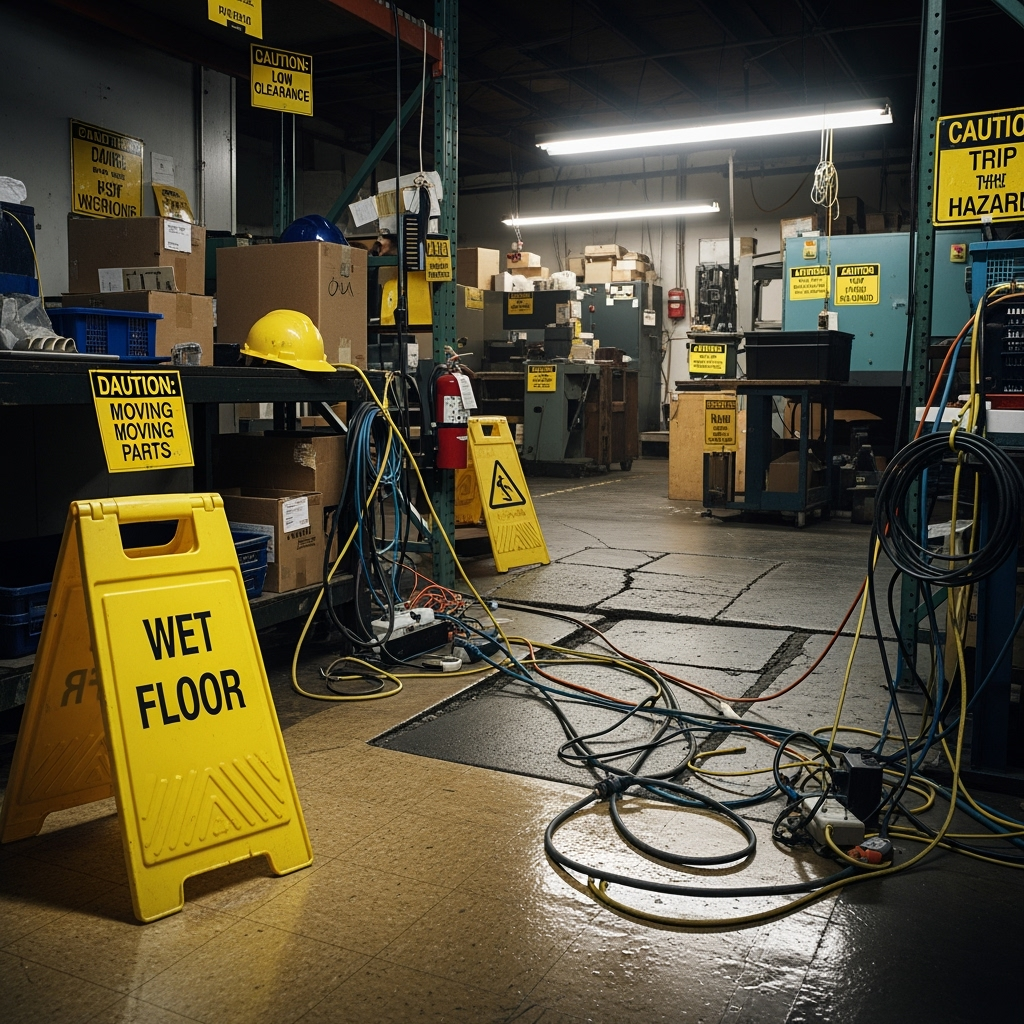
- Environmental Hazards – What risks does the location present?
- Criminal Activity – Are there signs of actual intrusion?
- Equipment Status – Is my safety equipment functioning?
- Communication – Can I call for backup if needed?
Documentation Requirements
Every dynamic risk assessment should be recorded, including:
- Time and date of assessment
- Key observations and decisions made
- Actions taken based on risk evaluation
- Any changes in risk level during response
- Communication with control room or emergency services
Technology Integration
Modern alarm response benefits from:
- GPS tracking for real-time location monitoring
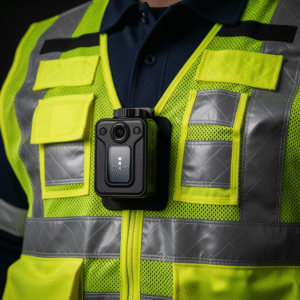
- Body-worn cameras for evidence and safety documentation
- Panic buttons for immediate emergency escalation
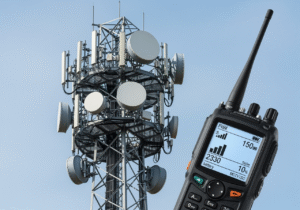
- Two-way radios with control room communication
- Mobile apps for instant reporting and backup requests
Common Risk Scenarios and Responses
False Alarm Situations
Typical Causes:
- Environmental triggers (spiders, weather)
- Equipment malfunction
- Accidental activation by authorised personnel
Assessment Focus:
- Verify no genuine security threat exists
- Check for equipment issues requiring maintenance
- Ensure property remains secure before departure
Genuine Security Incidents
Warning Signs:
- Evidence of forced entry
- Unusual activity or movement
- Valuable items disturbed or missing
- Signs of ongoing criminal activity
Response Protocol:
- Do not enter if criminals may still be present
- Immediately contact police
- Secure perimeter and preserve evidence
- Await emergency services arrival
Ambiguous Situations
When Uncertainty Exists:
- Treat as genuine until proven otherwise
- Request police attendance as precaution
- Maintain safe distance from property
- Document all observations thoroughly
Training and Competency Development
Essential Skills for Officers
- Situational awareness techniques
- De-escalation methods
- Emergency communication procedures
- Legal knowledge of powers and limitations
- First aid and emergency response
Regular Practice Scenarios
- Night-time alarm response simulations
- Multi-site activation exercises
- Equipment failure scenarios
- Aggressive individual encounters
- Weather-related challenge responses
Integration with Company Procedures
Control Room Support
Effective dynamic risk assessment requires:
- 24/7 control room monitoring with trained operators
- Clear escalation procedures for different risk levels
- Regular welfare checks during extended responses
- Immediate backup deployment when requested
Client Communication
- Real-time updates on response status
- Clear reporting of findings and actions taken
- Recommendations for security improvements
- Incident documentation for insurance and legal purposes
Best Practices for Implementation
Before Deployment
- Ensure all officers complete dynamic risk assessment training
- Provide site-specific risk information for regular clients
- Test all communication and safety equipment
- Establish clear escalation procedures with management
During Operations
- Maintain regular contact with control room
- Document decisions and observations in real-time
- Never compromise personal safety for property protection
- Request backup whenever uncertainty exists
Post-Incident Review
- Debrief all alarm responses with officers
- Identify learning opportunities and improvements
- Update risk assessments based on new information
- Share lessons learned across the team
Conclusion
Dynamic risk assessments aren’t just a safety requirement—they’re the foundation of professional alarm response services. By implementing structured, ongoing risk evaluation processes, security officers can make informed decisions that protect both themselves and client property.
Remember: No property is worth an officer’s safety. When in doubt, step back, reassess, and call for backup. A professional approach to dynamic risk assessment ensures that every alarm response is handled safely, effectively, and in compliance with industry standards.
The investment in proper training and procedures pays dividends in officer confidence, client satisfaction, and most importantly, everyone going home safely at the end of their shift.
Ready to explore how Mango Solutions Limited consultancy services could transform your operations? Contact Mango Solutions Limited today to discuss your Health and Safety requirements and discover the possibilities of outsourcing Health and Safety today.