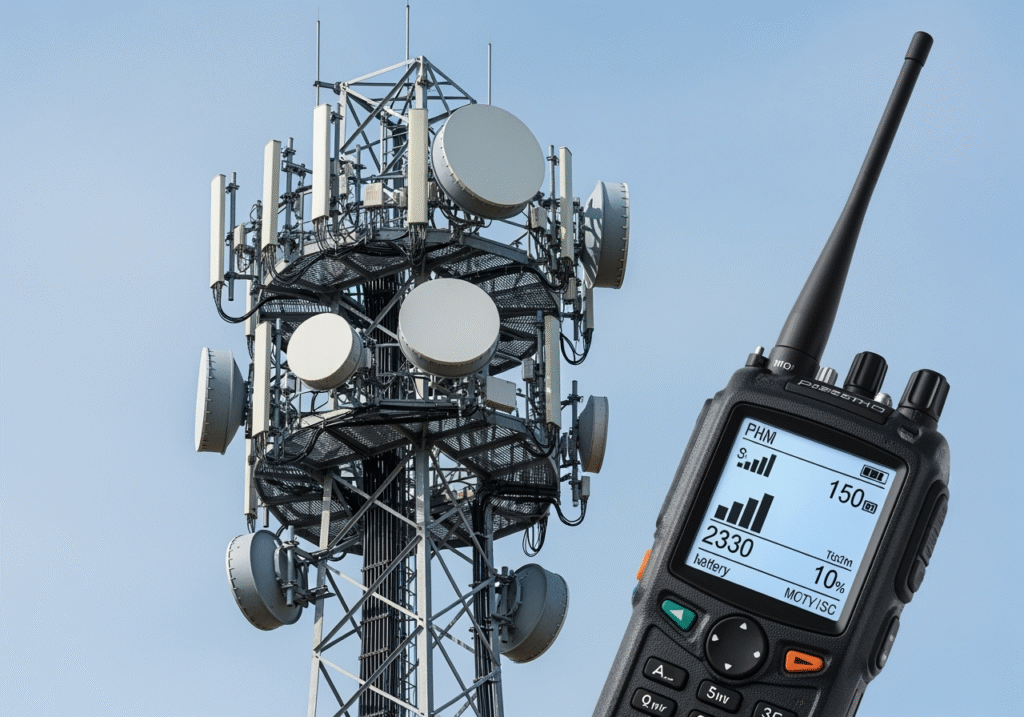
In the world of professional communication, the landscape has dramatically shifted from traditional analogue systems to sophisticated digital networks. Whether you’re managing security operations, coordinating emergency responses, or overseeing industrial operations, understanding the difference between network radios and traditional UHF two-way radios could transform how your team communicates.
The evolution of communication technology has been nothing short of revolutionary. Just as mobile phones replaced landlines for personal communication, network radios are rapidly replacing traditional radio systems in professional environments. This transformation isn’t merely about keeping up with technology—it’s about unlocking capabilities that were previously impossible and addressing limitations that have hindered operations for decades.
What Are Traditional UHF Two-Way Radios?
Ultra High Frequency (UHF) two-way radios have been the backbone of professional communication for decades. Operating on frequencies between 400-520 MHz, these devices use direct radio waves to communicate between units within a limited range—typically 2-5 miles in urban environments and up to 25 miles in open terrain.
The Foundation of Traditional Radio Communication
Traditional UHF radios work on a relatively simple principle: they transmit radio frequency signals directly from one device to another. This direct communication method has served industries well since the mid-20th century, providing reliable, instant communication for teams working in proximity.
Key Characteristics of Traditional UHF Radios
Direct radio-to-radio communication
- Signals travel directly between devices without intermediary infrastructure
- Communication is instantaneous with minimal delay
- Works independently of external networks or services
Limited range based on line-of-sight
- Radio waves travel in straight lines and are easily blocked
- Buildings, hills, and terrain significantly impact coverage
- Range decreases dramatically in urban environments with obstacles
Analogue or basic digital transmission
- Many systems still use analogue technology with inherent limitations
- Basic digital systems offer some improvements but remain constrained
- Limited data transmission capabilities beyond voice
Simple push-to-talk operation
- Straightforward user interface requiring minimal training
- One person speaks while others listen
- Clear communication protocols understood across industries
Prone to interference and dead zones
- Susceptible to electrical interference from machinery and equipment
- Weather conditions can affect signal quality
- Dead zones are common in complex environments
Limited to local area coverage
- Effective only within specific geographical boundaries
- Expanding coverage requires additional infrastructure investment
- Coordination between different sites remains challenging
The Infrastructure Requirements
Traditional UHF systems often require significant infrastructure to achieve adequate coverage:
Base stations and repeaters
- Fixed installations to extend range and coverage
- Require strategic positioning for optimal performance
- Ongoing maintenance and power requirements
Frequency licensing and coordination
- Regulatory compliance with Ofcom requirements
- Frequency planning to avoid interference
- Limited spectrum availability in congested areas
Antenna systems
- Specialised antenna installations for optimal coverage
- Height and positioning critical for performance
- Weather protection and maintenance considerations
Enter Network Radios: The Game Changer
Network radios represent a revolutionary leap forward in professional communication technology. Instead of relying solely on direct radio waves, these devices utilise cellular networks, WiFi, or dedicated IP networks to transmit voice and data across virtually unlimited distances.
The Network Revolution
Network radios fundamentally change how professional communication works. By leveraging existing cellular and internet infrastructure, they eliminate many of the physical limitations that have constrained traditional radio systems for decades.
What Makes Network Radios Different
Unlimited Range: Communicate anywhere with cellular or internet coverage
- Global communication capabilities limited only by network availability
- No need for line-of-sight between communicating parties
- Seamless communication across countries and continents
Crystal Clear Audio: Digital transmission eliminates static and interference
- HD voice quality remains consistent regardless of distance
- Digital noise cancellation and audio enhancement
- No degradation due to weather or environmental conditions
GPS Tracking: Real-time location monitoring of all team members
- Precise location data for enhanced safety and coordination
- Historical tracking for operational analysis and compliance
- Geofencing capabilities for automated alerts and reporting
Data Integration: Send text messages, images, and emergency alerts
- Rich multimedia communication beyond voice
- Integration with existing business systems and databases
- Automated reporting and documentation capabilities
Scalability: Easily add or remove users without frequency coordination
- Simple user management through software interfaces
- No spectrum limitations or frequency planning requirements
- Instant deployment of new users anywhere in coverage area
Interoperability: Connect different sites, regions, or even countries
- Seamless communication between disparate locations
- Integration with different communication systems and platforms
- Support for multi-agency and multi-organisation coordination
Advanced Network Radio Features
Modern network radios offer sophisticated capabilities that extend far beyond traditional voice communication:
Push-to-Talk over Cellular (PoC)
- Instant communication with the familiar radio interface
- Group calling and individual communication options
- Priority messaging and emergency override capabilities
Multimedia messaging
- Photo and video sharing for enhanced situational awareness
- Document transmission for operational coordination
- Voice message recording and playback
Integration capabilities
- Connection with existing IT systems and databases
- API integration for custom applications
- Compatibility with control room and dispatch systems
Advanced safety features
- Man-down detection using built-in accelerometers
- Lone worker monitoring with automated check-ins
- Emergency escalation with GPS location sharing
- Silent alarm capabilities for covert emergency signalling
The Technical Differences That Matter
Coverage and Range
The most significant difference between traditional UHF and network radios lies in their coverage capabilities.
Traditional UHF Limitations Traditional UHF radios are fundamentally constrained by physics. Radio waves travel in straight lines and are blocked by buildings, hills, and other obstacles. Even with repeater systems, coverage remains limited to specific geographical areas.
In urban environments, buildings create “radio shadows” where communication becomes impossible. Underground areas, multi-storey buildings, and industrial facilities with heavy machinery create particular challenges for traditional radio systems.
Network Radio Advantages Network radios leverage existing cellular infrastructure, providing coverage wherever your mobile phone works. This includes:
- Indoor coverage in buildings where cellular signals penetrate
- Underground areas with cellular repeater systems
- Remote locations with cellular tower coverage
- International communication through roaming agreements
The coverage area for network radios is essentially unlimited, constrained only by cellular network availability. As 5G networks expand and coverage improves, network radio capabilities continue to grow.
Audio Quality
The difference in audio quality between traditional UHF and network radios is immediately apparent to users.
Traditional UHF Audio Challenges
- Static and interference from electrical equipment
- Signal degradation over distance
- Weather-related audio distortion
- Competing signals on adjacent frequencies
- Audio quality varies with location and conditions
Network Radio Audio Excellence
- HD voice quality with digital clarity
- Consistent audio regardless of distance
- Advanced noise cancellation technology
- No interference from local electrical sources
- Weather-independent audio quality
This audio quality improvement isn’t merely about comfort—it’s about operational effectiveness. Clear communication reduces misunderstandings, improves response times, and enhances safety in critical situations.
Emergency Features
Both systems offer emergency capabilities, but network radios provide significantly more sophisticated safety features.
Traditional UHF Emergency Features
- Basic emergency button activation
- Location identification through voice communication
- Limited to users within radio range
- Manual coordination required for emergency response
Network Radio Emergency Features While traditional radios offer basic emergency buttons, network radios provide comprehensive safety features including:
Instant GPS location sharing
- Automatic transmission of precise coordinates during emergencies
- Real-time tracking of emergency responder movements
- Integration with mapping systems for rapid response
Man-down detection
- Automatic detection of falls or incapacitation
- Configurable sensitivity for different work environments
- Immediate alert generation without user intervention
Lone worker monitoring
- Automated check-in requirements with escalation procedures
- Missed check-in alerts to supervisory personnel
- Integration with lone working policies and procedures
Automatic escalation procedures
- Predefined response protocols for different emergency types
- Automatic notification of emergency services when required
- Integration with control room systems for coordinated response
Integration with control room systems
- Real-time emergency status displays
- Automated logging of emergency events
- Integration with CCTV and access control systems
Data Transmission Capabilities
Network radios excel in data transmission capabilities that traditional UHF systems cannot match.
Traditional UHF Data Limitations
- Limited to basic voice communication
- Simple text messaging on advanced digital systems
- No multimedia capabilities
- Minimal integration with other systems
Network Radio Data Advantages
- High-speed data transmission for images and documents
- Integration with business applications and databases
- Real-time telemetry and sensor data transmission
- Support for custom applications and workflows
This data capability transforms how organisations can use their communication systems, enabling integration with existing business processes and automated reporting systems.
Cost Considerations
The cost comparison between traditional UHF and network radio systems is complex and depends on various factors.
Traditional UHF System Costs
Initial Infrastructure Investment Traditional systems require significant upfront investment in infrastructure:
- Base stations and repeater systems
- Antenna installations and tower rentals
- Frequency licensing and regulatory compliance
- Professional installation and commissioning
Ongoing Maintenance Costs
- Regular maintenance of base stations and repeaters
- Antenna system upkeep and weather damage repairs
- Frequency licence renewals and regulatory compliance
- Replacement of aging infrastructure components
Scalability Costs
- Additional infrastructure for coverage expansion
- Frequency coordination for new sites
- Engineering studies for optimal system design
Network Radio System Costs
Reduced Infrastructure Investment Network radios utilise existing cellular networks, significantly reducing setup costs:
- No base stations or repeaters required
- No antenna installations or tower rentals
- Minimal on-site infrastructure requirements
- Rapid deployment without engineering studies
Service Subscription Costs
- Monthly service charges similar to mobile phone contracts
- Scalable pricing based on number of users
- Predictable ongoing costs for budgeting purposes
Lower Maintenance Requirements
- No infrastructure maintenance responsibilities
- Device replacement rather than system repair
- Software updates handled remotely
Return on Investment Analysis
When evaluating the total cost of ownership, network radios often provide superior value:
Operational Efficiency Gains
- Improved communication quality reduces operational delays
- GPS tracking optimises resource deployment
- Integration capabilities eliminate duplicate systems
- Enhanced safety features reduce incident costs
Reduced Infrastructure Burden
- No need for dedicated IT staff for radio system maintenance
- Elimination of infrastructure upgrade cycles
- Reduced facility requirements for equipment housing
Scalability Benefits
- Easy addition of users without infrastructure investment
- Rapid deployment to new locations
- Flexible service plans that grow with business needs
Real-World Applications
Security Operations
For security companies like Mango Solutions, network radios enable seamless communication between mobile patrols, static guards, and control rooms across the entire UK. Traditional UHF systems would require multiple repeater sites and complex frequency coordination to achieve similar coverage.
Mobile Security Patrols Network radios transform mobile security operations by providing:
- Continuous communication regardless of patrol route
- Real-time GPS tracking for optimal resource deployment
- Instant communication with control rooms and other patrols
- Emergency features for lone worker protection
Static Security Posts For static security positions, network radios offer:
- Reliable communication from any location within buildings
- Integration with access control and CCTV systems
- Emergency alert capabilities with precise location data
- Coordination with mobile response teams
Control Room Operations Network radios enhance control room capabilities through:
- Real-time monitoring of all field personnel
- Integration with existing security management systems
- Automated incident reporting and documentation
- Coordination with emergency services when required
Multi-Site Operations Security companies operating across multiple sites benefit from:
- Unified communication across all locations
- Centralised monitoring and coordination
- Consistent service delivery regardless of location
- Simplified training and operational procedures
Emergency Response
Emergency services increasingly rely on network radios for inter-agency communication. A fire brigade in Southampton can instantly communicate with police in Manchester—something impossible with traditional UHF systems.
Fire and Rescue Services Network radios provide fire services with:
- Communication capabilities that work inside buildings
- Real-time location tracking of firefighters
- Integration with incident command systems
- Inter-agency coordination for complex incidents
Police Operations Law enforcement benefits from network radios through:
- Nationwide communication capabilities for major incidents
- Integration with existing police communication systems
- Enhanced officer safety through GPS tracking and emergency features
- Coordination with other emergency services
Ambulance Services Emergency medical services use network radios for:
- Communication with hospitals and dispatch centres
- Real-time location tracking for optimal response times
- Integration with patient management systems
- Coordination with other emergency responders
Multi-Agency Incidents Large-scale incidents requiring multiple agencies benefit from:
- Common communication platform for all responders
- Real-time information sharing and coordination
- Unified command and control capabilities
- Integrated incident management and reporting
Industrial Operations
Large industrial sites benefit from network radios’ ability to penetrate buildings and underground areas where traditional radio signals fail. Integration with existing IT systems allows for automated alerts and data logging.
Manufacturing Facilities Industrial manufacturers use network radios for:
- Communication in areas with high electrical interference
- Integration with production management systems
- Safety monitoring for lone workers in hazardous areas
- Coordination between different production areas
Oil and Gas Operations The energy sector benefits from network radios through:
- Communication in remote locations with cellular coverage
- Integration with safety and environmental monitoring systems
- Emergency response coordination across large facilities
- Compliance with safety regulations and reporting requirements
Construction Sites Construction companies use network radios for:
- Communication across large and complex construction sites
- Safety monitoring for workers in hazardous areas
- Coordination with suppliers and subcontractors
- Integration with project management systems
Mining Operations Mining companies benefit from network radios through:
- Communication in underground areas with cellular repeaters
- Safety monitoring for workers in dangerous environments
- Integration with equipment monitoring and control systems
- Emergency response coordination in remote locations
Transportation and Logistics
The transportation industry has embraced network radios for their flexibility and integration capabilities.
Fleet Management Transportation companies use network radios for:
- Real-time communication with drivers across wide areas
- GPS tracking for route optimisation and customer service
- Integration with fleet management and dispatch systems
- Emergency assistance for drivers in remote locations
Public Transportation Public transport operators benefit from:
- Communication with drivers and maintenance staff
- Integration with passenger information systems
- Emergency response coordination for incidents
- Real-time operational monitoring and control
Logistics Operations Logistics companies use network radios for:
- Coordination between warehouses and delivery vehicles
- Real-time tracking of shipments and deliveries
- Integration with customer service and tracking systems
- Emergency response for driver safety and cargo security
The Limitations to Consider
While network radios offer significant advantages, it’s important to understand their limitations and consider them in your decision-making process.
Network Dependency
Cellular Coverage Requirements Network radios require cellular or internet connectivity to function. This dependency creates several considerations:
- Areas with poor cellular coverage may experience communication limitations
- Network congestion during emergencies can affect performance
- Cellular network outages can disrupt communication capabilities
- International operations may face roaming limitations and costs
Backup Communication Plans Organisations using network radios should consider:
- Backup communication methods for network outage scenarios
- Hybrid systems combining network and traditional radio capabilities
- Emergency communication procedures when networks are unavailable
- Regular testing of backup communication systems
Battery Life Considerations
Power Consumption Factors Network radios typically consume more power due to their advanced features and constant network connectivity:
- GPS tracking and data transmission increase power consumption
- Cellular connectivity requires continuous power for network registration
- Advanced features like cameras and sensors drain batteries faster
- Screen displays and user interfaces consume additional power
Battery Management Strategies Modern network radios have significantly improved in battery performance, and organisations can implement strategies to optimise battery life:
- Power management settings to extend battery life
- External battery packs for extended operations
- Vehicle charging systems for mobile operations
- Spare battery rotation programmes for continuous operations
Ongoing Operational Costs
Service Subscription Expenses While infrastructure costs are lower, network radios incur monthly service charges similar to mobile phone contracts:
- Per-device monthly fees for cellular connectivity
- Data usage charges for heavy multimedia use
- International roaming fees for global operations
- Premium service features may incur additional costs
Cost Management Approaches Organisations can manage ongoing costs through:
- Negotiated service contracts for large deployments
- Usage monitoring and optimisation
- Tiered service plans based on user requirements
- Regular review of service needs and plan adjustments
Security and Privacy Considerations
Data Security Requirements Network radios transmit data over public networks, creating security considerations:
- Encryption requirements for sensitive communications
- Compliance with data protection regulations
- Network security monitoring and management
- User authentication and access control
Privacy Protection Measures Organisations must consider:
- Employee privacy rights regarding GPS tracking
- Data retention policies for communication records
- Compliance with surveillance and monitoring regulations
- Transparent policies regarding data use and storage
Making the Right Choice for Your Organisation
The decision between network radios and traditional UHF systems depends on your specific requirements, operational environment, and strategic objectives.
Choose Traditional UHF Radios If:
Limited Geographical Operations If you operate in a confined geographical area with consistent communication requirements:
- Single-site operations with predictable coverage needs
- Local area networks with established infrastructure
- Operations where range limitations are not constraining
- Environments where traditional systems have proven adequate
Choose network radios if:
- You need wide-area or nationwide coverage
- GPS tracking and lone worker safety are priorities
- Integration with existing systems is important
- Audio quality and reliability are crucial
- You want room for future expansion
The Future of Professional Communication
The trend is clear—network radios represent the future of professional communication. As 5G networks expand and IoT integration becomes standard, the capabilities of network radios will continue to evolve. Features like AI-powered voice recognition, automated incident reporting, and predictive maintenance are already emerging.
For organisations serious about operational efficiency and worker safety, network radios offer capabilities that traditional systems simply cannot match. The question isn’t whether to upgrade, but when.
Conclusion
While traditional UHF two-way radios served us well for decades, network radios have fundamentally changed what’s possible in professional communication. The combination of unlimited range, superior audio quality, GPS tracking, and advanced safety features makes them an invaluable tool for modern operations.
At Mango Solutions Limited, we’ve seen first hand how network radios transform operational efficiency and enhance worker safety. Whether you’re managing security operations, coordinating emergency responses, or overseeing industrial processes, the right communication system can make all the difference.
Ready to explore how network radios could transform your operations? Contact Mango Solutions Limited today to discuss your communication requirements and discover the possibilities of modern network radio technology.