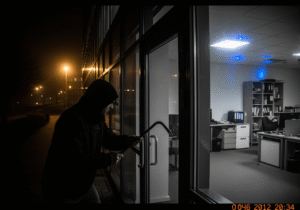
The security industry is vital to keeping our communities, businesses, and assets safe. Static security officers, in particular, serve as the first line of defence, maintaining vigilant watch over premises, monitoring CCTV systems, and ensuring protocols are followed. However, this essential work often comes with unique challenges that can significantly impact both physical health and work-life balance.
Static security work is characterised by long shifts, irregular hours, and extended periods of sitting or standing in one location. Officers frequently work nights, weekends, and holidays when the rest of the world is asleep or enjoying leisure time. These demanding conditions, whilst necessary for effective security coverage, can take a toll on mental health, physical wellbeing, and personal relationships if not properly managed.
This comprehensive guide addresses the specific health and work-life balance challenges faced by static security officers and provides practical, actionable strategies to maintain wellbeing whilst excelling in this demanding profession.
Understanding the Unique Challenges of Static Security Work
Physical Health Challenges
Static security officers face several physical health risks that are inherent to the nature of their work. Extended periods of sitting whilst monitoring CCTV feeds or manning reception desks can lead to poor posture, back pain, and circulation problems. Conversely, officers who spend long hours standing at access points may experience leg fatigue, varicose veins, and foot problems.
The sedentary nature of much static security work contributes to reduced cardiovascular fitness and can increase the risk of obesity, diabetes, and other lifestyle-related conditions. Additionally, the often isolated nature of the work means officers may have limited opportunities for physical movement during their shifts.
Night shift work presents its own set of physical challenges. The human body’s circadian rhythm is naturally programmed for daytime activity and nighttime rest. Working against this natural cycle can disrupt sleep patterns, affect hormone production, and compromise immune function. Officers working rotating shifts face the additional challenge of constantly adjusting their body clocks, which can be particularly taxing.
Mental Health and Social Challenges
The psychological demands of security work are often underestimated. Officers must maintain constant vigilance, make quick decisions under pressure, and sometimes deal with confrontational or dangerous situations. This state of heightened alertness over extended periods can lead to stress, anxiety, and mental fatigue.
Social isolation is another significant challenge. Working whilst others are socialising, sleeping, or spending time with family can lead to feelings of disconnection from friends and loved ones. The irregular schedule makes it difficult to maintain consistent social relationships or participate in community activities.
The responsibility that comes with security work can also create psychological pressure. Officers are entrusted with protecting valuable assets, sensitive information, and sometimes people’s lives. This weight of responsibility, combined with the need for constant alertness, can contribute to chronic stress if not properly managed.
Physical Health Strategies for Static Security Officers
Movement and Exercise During Shifts
Despite the static nature of security work, there are numerous opportunities to incorporate movement into your shift. Every hour, take a five-minute break to walk around your designated area if security protocols permit. This simple practice can significantly improve circulation, reduce muscle stiffness, and help maintain alertness.
Develop a routine of desk-based exercises that can be performed whilst maintaining your security duties. Shoulder rolls, neck stretches, and seated spinal twists can help counteract the effects of prolonged sitting. Ankle circles and calf raises are excellent for officers who spend long periods standing.
Consider investing in a standing desk converter if your workstation allows it. Alternating between sitting and standing throughout your shift can reduce the health risks associated with prolonged sitting. If standing for extended periods, use an anti-fatigue mat to reduce pressure on your feet and legs.
During meal breaks, make the most of your time by taking a brisk walk outside if possible. Fresh air and natural light can help reset your energy levels and improve mood, particularly during night shifts when exposure to daylight is limited.
Nutrition for Shift Workers
Proper nutrition is crucial for maintaining energy levels and overall health during long, irregular shifts. Plan and prepare your meals in advance to avoid relying on vending machines or fast food options that are often the only choices available during night shifts.
Focus on balanced meals that include lean proteins, complex carbohydrates, and plenty of vegetables. Protein helps maintain steady energy levels and supports muscle health, whilst complex carbohydrates provide sustained energy without the crashes associated with sugary snacks.
Stay hydrated throughout your shift by keeping a water bottle at your workstation. Dehydration can lead to fatigue, headaches, and reduced concentration – all of which can compromise your effectiveness as a security officer. Limit caffeine intake, particularly towards the end of your shift, as it can interfere with post-shift sleep.
For night shift workers, timing your meals appropriately is crucial. Eat your main meal before starting your shift, have a light meal during your break, and avoid heavy foods in the hours before you plan to sleep. This approach helps maintain your energy levels whilst supporting better sleep quality.
Sleep Hygiene for Shift Workers
Quality sleep is perhaps the most critical factor in maintaining health as a static security officer, particularly for those working night shifts or rotating schedules. Create a sleep environment that promotes rest regardless of the time of day you need to sleep.
Invest in blackout curtains or an eye mask to block out daylight when sleeping during the day. Use earplugs or a white noise machine to minimise disturbances from daytime activities. Keep your bedroom cool, as a slightly lower temperature promotes better sleep quality.
Establish a consistent pre-sleep routine that signals to your body that it’s time to rest. This might include a warm shower, reading, or gentle stretching exercises. Avoid screens for at least an hour before sleep, as the blue light can interfere with your body’s production of melatonin, the hormone that regulates sleep.
If you work rotating shifts, try to maintain some consistency in your sleep schedule even on days off. Whilst it’s tempting to revert to a “normal” schedule on your days off, this constant shifting can make it harder for your body to adjust to your work schedule.
Managing Stress and Mental Wellbeing
Develop healthy coping mechanisms for managing work-related stress. Deep breathing exercises can be performed discreetly at your workstation and are highly effective for reducing immediate stress responses. Practice the 4-7-8 breathing technique: inhale for 4 counts, hold for 7 counts, and exhale for 8 counts.
Mindfulness and meditation practices can be particularly beneficial for security officers. Even five minutes of mindfulness practice during a break can help reset your mental state and improve focus for the remainder of your shift. There are numerous smartphone apps designed for quick meditation sessions that can be used during breaks.
Consider keeping a stress journal to identify patterns in your stress levels and triggers. This awareness can help you develop more effective coping strategies and identify when you might need additional support.
Don’t hesitate to seek professional help if you’re struggling with stress, anxiety, or depression. Many employers offer Employee Assistance Programmes that provide confidential counselling services. Mental health is just as important as physical health, and seeking help is a sign of strength, not weakness.
Work-Life Balance Strategies
Time Management and Scheduling
Effective time management is crucial for maintaining work-life balance as a security officer. Use a calendar or planner to map out your work schedule, personal commitments, and rest time. This visual representation can help you identify opportunities for personal activities and ensure you’re allocating sufficient time for rest and recovery.
When working irregular shifts, communicate your schedule to family and friends well in advance. This allows them to plan around your availability and helps maintain important relationships despite your unconventional working hours.
Create boundaries between work and personal time. When you finish your shift, engage in a transition ritual that helps you mentally switch from work mode to personal time. This might be as simple as changing clothes, taking a shower, or listening to music during your commute home.
Prioritise your personal commitments just as you would your work responsibilities. Schedule important personal activities, family time, and self-care activities in your calendar and treat them as non-negotiable appointments.
Maintaining Relationships and Social Connections
Working unsociable hours can strain relationships, but with intentional effort, it’s possible to maintain strong connections with family and friends. Quality time is often more important than quantity, so make the most of the time you do have available.
Schedule regular catch-ups with friends and family, even if they’re brief. A weekly phone call or monthly dinner can help maintain important relationships. Be creative with timing – perhaps meet friends for breakfast when they’re starting their day and you’re finishing your night shift.
Use technology to stay connected. Video calls, messaging apps, and social media can help you maintain contact with loved ones even when your schedules don’t align. Share updates about your day and show interest in theirs to maintain emotional connection.
Consider joining groups or clubs that meet at times compatible with your schedule. Many cities have groups for shift workers, or you might find hobby groups that meet during your available hours. This can help combat the social isolation that often comes with security work.
Personal Development and Career Growth
Don’t let your demanding work schedule prevent you from pursuing personal and professional development. Many training courses and educational opportunities are now available online, allowing you to learn at your own pace and during your available hours.
Set aside time each week for activities that contribute to your personal growth. This might include reading industry publications, completing online courses, or developing new skills that could advance your career in security or related fields.
Consider pursuing additional certifications or qualifications that could open up new opportunities within the security industry. Many professional development courses are designed to accommodate shift workers and can be completed during downtime at work (where permitted) or during your days off.
Network within the security industry by joining professional associations or attending industry events when possible. Building professional relationships can lead to career opportunities and provide valuable support from others who understand the unique challenges of security work.
Financial Wellness and Planning
Security work often involves overtime opportunities and shift differentials that can significantly boost earnings. However, irregular income can make financial planning challenging. Create a budget based on your base salary and treat overtime pay as a bonus for savings or debt reduction.
Take advantage of any pension schemes or benefits offered by your employer. The security industry can be physically demanding, so planning for retirement and ensuring you have adequate insurance coverage is particularly important.
Consider developing additional income streams that can work around your security schedule. This might include online freelancing, consulting, or small business ventures that can be managed during your off hours.
Build an emergency fund to provide financial security during periods of illness or between jobs. The irregular nature of security work makes having financial reserves particularly important.
Creating Sustainable Routines
Pre-Shift Preparation
Develop a consistent pre-shift routine that prepares you mentally and physically for work. This might include a nutritious meal, light exercise, and reviewing your duties for the shift. Having a routine helps create structure in an otherwise irregular schedule.
Prepare your meals and snacks for the shift in advance. This ensures you have healthy options available and saves time during your shift. Pack everything you need the night before to reduce morning stress and ensure you don’t forget essential items.
Check your equipment before each shift to ensure everything is working properly. This includes radios, torches, and any other tools you’ll need. Being prepared reduces stress and helps you feel confident and ready for your duties.
During-Shift Wellness Practices
Create micro-routines throughout your shift to maintain your wellbeing. This might include hourly stretching breaks, regular hydration checks, or brief mindfulness moments. These small practices can have a significant cumulative effect on your health and alertness.
Use quiet periods constructively. While maintaining your security duties, you might listen to educational podcasts, practice language learning, or engage in other mentally stimulating activities that don’t compromise your vigilance.
Stay connected with colleagues when possible. Building positive relationships with other security staff can provide social interaction and professional support. Share experiences and learn from each other’s approaches to managing the challenges of security work.
Post-Shift Recovery
Develop a post-shift routine that helps you decompress and transition to personal time. This is particularly important after challenging or stressful shifts. The routine might include physical exercise, relaxation techniques, or simply taking time to reflect on the day.
Avoid immediately going to sleep after a stressful shift. Give yourself time to unwind and process the events of your shift. This might involve talking to a family member, writing in a journal, or engaging in a relaxing hobby.
If you’ve had a particularly difficult shift, don’t hesitate to seek support. This might be from colleagues, supervisors, or professional counselling services. Processing challenging experiences is important for long-term mental health.
Long-Term Health and Career Sustainability
Regular Health Monitoring
Schedule regular health check-ups and don’t skip them due to work commitments. The demands of security work make it particularly important to monitor your health proactively. This includes regular blood pressure checks, eye exams (particularly important for those monitoring CCTV), and general health screenings.
Be aware of the signs of burnout and take them seriously. These might include chronic fatigue, increased irritability, difficulty concentrating, or loss of motivation. Early intervention is key to preventing more serious health problems.
Consider the long-term physical demands of your role and plan accordingly. This might involve maintaining physical fitness, learning proper ergonomics, or developing skills that could allow you to move into less physically demanding security roles as you age.
Career Planning and Progression
View your current role as part of a broader career journey rather than a permanent position. The security industry offers numerous opportunities for advancement, from supervisory roles to specialised security consulting. Develop a career plan that takes into account your interests, strengths, and long-term goals.
Stay current with industry trends and technologies. The security industry is evolving rapidly, with new technologies and approaches constantly emerging. Keeping your knowledge current will make you more valuable to employers and open up new opportunities.
Consider how your security experience might transfer to other industries. The skills developed in security work – attention to detail, crisis management, customer service, and reliability – are valuable in many other fields.
Building a Support Network
Professional Support
Cultivate relationships with colleagues, supervisors, and other professionals in the security industry. These relationships can provide practical advice, emotional support, and career opportunities. Don’t underestimate the value of having people who understand the unique challenges of your work.
Join professional associations or online communities for security professionals. These groups can provide valuable resources, networking opportunities, and a sense of belonging to a professional community.
Maintain good relationships with your supervisors and management team. They can be valuable sources of support, career guidance, and references for future opportunities.
Personal Support
Ensure your family and friends understand the demands and importance of your work. Educate them about your schedule and the challenges you face so they can provide appropriate support and understanding.
Consider family counselling or relationship support if your work schedule is creating significant strain on your personal relationships. Professional guidance can help you and your loved ones develop strategies for maintaining strong relationships despite the challenges of shift work.
Don’t isolate yourself from your support network. It’s easy to withdraw when you’re tired or stressed, but maintaining connections with supportive people is crucial for your wellbeing.
Conclusion
Maintaining health and work-life balance as a static security officer requires intentional effort and strategic planning. The unique challenges of long hours, irregular schedules, and the demanding nature of security work can significantly impact your physical health, mental wellbeing, and personal relationships if not properly managed.
However, with the right strategies and commitment to self-care, it’s entirely possible to thrive in this essential profession whilst maintaining your health and personal life. The key is to recognise that your wellbeing is not a luxury but a necessity – both for your own quality of life and for your effectiveness as a security professional.
Remember that small, consistent actions often have the most significant impact. You don’t need to overhaul your entire lifestyle overnight. Start by implementing one or two strategies that resonate with you, and gradually build upon these foundations. Whether it’s improving your sleep hygiene, incorporating more movement into your shifts, or establishing better boundaries between work and personal time, every positive change contributes to your overall wellbeing.
The security industry needs dedicated, healthy, and alert professionals. By taking care of yourself, you’re not only improving your own life but also enhancing your ability to serve and protect others effectively. Your health and wellbeing matter – both to you and to those who depend on your vigilance and professionalism.
Invest in yourself, seek support when needed, and remember that maintaining health and work-life balance is an ongoing process, not a destination. With patience, persistence, and the right strategies, you can build a sustainable and fulfilling career in security whilst maintaining your health, relationships, and personal wellbeing.
The strategies outlined in this guide provide a comprehensive framework for addressing the unique challenges faced by static security officers. Implement them gradually, adapt them to your specific circumstances, and remember that seeking support – whether from colleagues, family, or professionals – is a sign of strength and wisdom, not weakness.
Your dedication to protecting others is admirable and essential. Now, it’s time to extend that same level of care and protection to yourself.
#SecurityOfficerHealth, #StaticSecurity, #ShiftWorkWellness, #SecurityIndustry, #CCTVOperator, #SecurityGuard, #NightShiftWork, #SecurityProfessional, #Securityofficer, #Southampton, #Portsmouth, #Winchester, #Salisbury