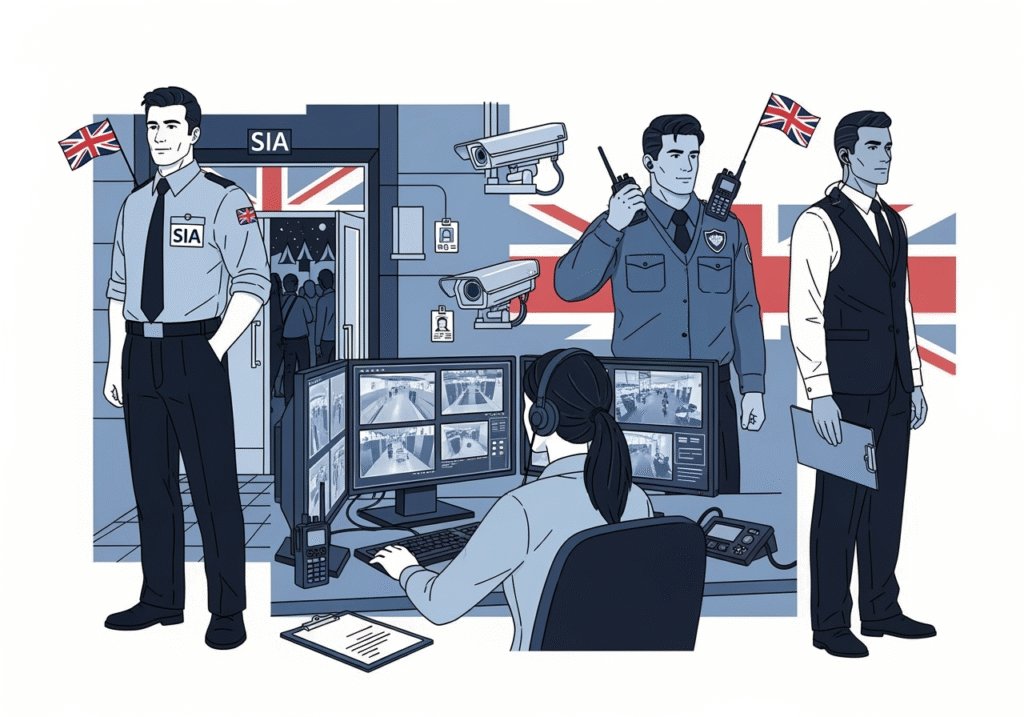
The private security industry in the United Kingdom is a thriving sector that offers diverse career opportunities, from door supervision and security guarding to close protection and CCTV operations. Whether you’re looking for a career change, seeking stable employment, or wanting to develop specialist skills, the security industry provides excellent prospects for professional growth and financial stability.
However, working in the UK’s private security sector isn’t as simple as applying for a job. The industry is heavily regulated by the Security Industry Authority (SIA), which ensures that all frontline security personnel meet strict standards of training, competence, and integrity. This comprehensive guide will walk you through everything you need to know about starting your career in security, from initial training requirements to ongoing professional development.
Understanding the Security Industry Authority (SIA)
The Security Industry Authority is the regulatory body responsible for overseeing the UK’s private security industry. Sponsored by the Home Office, the SIA’s primary role is to ensure that security services are delivered by properly trained, licensed, and vetted individuals who meet the highest professional standards.
The SIA operates under the Private Security Industry Act 2001, which makes it a legal requirement for anyone working in designated frontline security roles to hold a valid SIA licence. This regulation exists to protect the public, maintain industry standards, and ensure that security personnel are properly equipped to handle their responsibilities.
Located at PO Box 74957, London, E14 1UG, the SIA provides comprehensive guidance on licensing requirements, approved training providers, and industry best practices. Their website serves as the definitive resource for anyone looking to enter or advance within the security sector.
Types of SIA Licences Available
The SIA offers several different licence categories, each tailored to specific roles within the security industry:
Door Supervisor Licence
This is one of the most popular licences, allowing holders to work in licensed premises such as pubs, clubs, and entertainment venues. Door supervisors are responsible for controlling access, managing crowd behaviour, and ensuring the safety of patrons. Importantly, a Door Supervisor licence also permits the holder to work as a Security Guard, making it a versatile qualification.
Security Guard Licence
This licence covers static guarding roles, including retail security, corporate security, and general security duties. However, it’s crucial to note that a Security Guard licence does not permit door supervision work – if you want flexibility in your career options, the Door Supervisor licence is the better choice.
CCTV Operator Licence
For those interested in surveillance and monitoring roles, the CCTV Operator licence is essential. This qualification covers the operation of public space CCTV systems and requires specific training in privacy laws, data protection, and surveillance techniques.
Close Protection Licence
This specialist licence is for bodyguards and personal protection officers. Close Protection training is intensive and expensive, but it opens doors to high-paying roles protecting VIPs, celebrities, and business executives.
Cash and Valuables in Transit Licence
This licence covers the transportation of cash, precious metals, and other valuable items. It’s a specialised field that often offers good employment prospects with established security companies.
Key Holding Licence
Key holders respond to alarm activations and secure premises on behalf of property owners. This role often involves working unsociable hours but can provide steady employment with alarm response companies.
Vehicle Immobiliser Licence
This covers wheel clamping and vehicle immobilisation activities, though this sector has become more restricted in recent years due to legislative changes.
Training Requirements: Your First Step
Before you can apply for any SIA licence, you must complete the appropriate training course with an SIA-approved training provider. The training requirements vary depending on the licence type you’re pursuing.
Door Supervisor Training
The Door Supervisor course typically costs around £229.99 and covers essential topics including:
- Legal powers and responsibilities
- Health and safety procedures
- Conflict management and de-escalation techniques
- Physical intervention skills
- Emergency procedures
- Customer service standards
- Drug awareness
- Licensing law and conditions
The course combines classroom learning with practical exercises and concludes with both written and practical assessments.
Security Guard Training
Security Guard training, usually priced at approximately £189.99, covers:
- Legal framework and powers
- Health and safety in the workplace
- Communication skills
- Emergency procedures
- Fire safety
- Report writing
- Customer care
- Working with the public
CCTV Operator Training
CCTV training (around £219.99) includes:
- Data Protection Act compliance
- Human Rights Act considerations
- CCTV Code of Practice
- System operation and maintenance
- Incident recognition and response
- Evidence handling and storage
- Privacy and surveillance law
Close Protection Training
This is the most comprehensive and expensive training, typically costing £1,994. The course covers:
- Threat assessment and risk analysis
- Route planning and reconnaissance
- Surveillance detection
- Defensive driving techniques
- First aid and emergency medical response
- Communication systems
- Legal considerations
- Physical protection techniques
The Licensing Process
Once you’ve completed your training, you can apply for your SIA licence. The process involves several steps:
Application Submission
You’ll need to complete the online application form on the SIA website, providing detailed personal information, employment history, and training certificates.
Background Checks
The SIA conducts thorough background checks, including:
- Criminal record checks (DBS)
- Five-year employment history verification
- Identity verification
- Right to work in the UK confirmation
- Credit reference checks (where relevant)
Licence Fee
The SIA licence costs £184 and is valid for three years. This fee covers the administrative costs of processing your application and conducting the necessary checks.
Processing Time
Standard applications typically take 4-6 weeks to process, though this can vary depending on the complexity of your background checks.
Licence Conditions
Your licence will come with specific conditions that you must adhere to, including displaying your licence badge while working and notifying the SIA of any changes to your personal circumstances.
Ongoing Training and Professional Development
The security industry requires continuous learning to maintain professional standards and keep up with evolving threats and regulations.
Top-Up Training
Before your three-year licence expires, you must complete Top-Up Refresher Training to renew your licence. This training updates your knowledge on:
- Changes in legislation
- New industry best practices
- Emerging security threats
- Updated procedures and protocols
Continuing Professional Development (CPD)
Many employers and industry bodies encourage ongoing professional development through:
- Specialist training courses
- Industry conferences and seminars
- Additional qualifications and certifications
- Cross-training in different security disciplines
Career Progression Training
As you advance in your career, you might pursue additional qualifications such as:
- Management and supervisory training
- Specialist technical certifications
- Health and safety qualifications
- First aid and emergency response training
Penalties for Unlicensed Work
The SIA takes unlicensed work very seriously, and the penalties for both individuals and companies can be severe.
Individual Penalties
For individuals working in licensable activities without a valid SIA licence:
- Criminal prosecution under the Private Security Industry Act 2001
- Unlimited fines in the Crown Court
- Up to six months imprisonment in the Magistrates’ Court
- Criminal record that could affect future employment prospects
- Prohibition from obtaining an SIA licence in the future
Company Penalties
Employers who hire unlicensed security personnel face:
- Unlimited fines for each unlicensed employee
- Criminal prosecution of company directors and managers
- Reputational damage that could affect business relationships
- Loss of contracts with clients who require licensed personnel
- Potential closure of the business in severe cases
Additional Consequences
Beyond legal penalties, working without a licence can result in:
- Immediate dismissal from employment
- Difficulty finding future work in the security industry
- Invalidated insurance claims if incidents occur
- Personal liability for any damages or injuries
Industry Standards and Best Practices
The UK security industry operates under several British Standards that define best practices:
- BS 7499 – Static guarding services
- BS 7858 – Security screening of individuals
- BS 10800 – Security management systems
- BS 7960 – Door supervision services
- BS 7984 – Keyholding and alarm response services
- BS 8517 – Security dog services
- BS 8584 – Vacant property protection
- BS 8593 – Body-worn video systems
These standards ensure that security services are delivered consistently and professionally across the industry.
Career Opportunities and Earning Potential
The security industry offers diverse career paths with competitive earning potential:
Entry-Level Positions
- Retail security: £18,000-£22,000 annually
- Static security guard: £17,000-£21,000 annually
- Door supervisor: £20,000-£28,000 annually (including weekend premiums)
Experienced Roles
- CCTV operator: £19,000-£25,000 annually
- Mobile patrol officer: £21,000-£27,000 annually
- Shift supervisor: £24,000-£32,000 annually
Specialist Positions
- Close protection officer: £35,000-£80,000+ annually
- Security consultant: £40,000-£70,000 annually
- Control room manager: £30,000-£45,000 annually
Many security professionals can earn up to £800 per week in roles within retail, corporate, and hospitality security, particularly when working in London or other major cities.
Choosing the Right Training Provider
When selecting an SIA-approved training provider, consider:
Reputation and Reviews
Look for providers with excellent customer reviews and industry recognition. Companies with thousands of positive reviews on platforms like Trustpilot (such as those rated 4.8 out of 5 with over 31,000 reviews) demonstrate consistent quality and customer satisfaction.
Course Content and Delivery
Ensure the training covers all required elements comprehensively and uses experienced, knowledgeable instructors who can provide real-world insights.
Support Services
Choose providers that offer:
- Flexible scheduling options
- Comprehensive study materials
- Exam support and retake opportunities
- Career guidance and job placement assistance
Value for Money
While cost is important, focus on the overall value, including the quality of training, pass rates, and ongoing support.
International Applicants
The UK security industry welcomes international workers, and SIA licences are available to individuals holding various international passports, including Nigerian, Indian, Romanian, and many others. However, you must have the legal right to work in the UK and meet all the same training and vetting requirements as UK nationals.
Getting Started: Your Action Plan
To begin your career in the UK security industry:
- Research licence types and choose the one that best fits your career goals
- Find an SIA-approved training provider with good reviews and competitive pricing
- Book and complete your training course, ensuring you pass both written and practical assessments
- Gather required documents for your licence application, including proof of identity, right to work, and employment history
- Submit your SIA licence application online with the £184 fee
- Wait for approval (typically 4-6 weeks) while preparing for job applications
- Begin job searching with licensed security companies or direct employers
- Start your career and begin planning for ongoing professional development
Conclusion
Starting a career in the UK security industry requires commitment, proper training, and adherence to strict regulatory standards. However, for those willing to invest in proper qualifications and ongoing professional development, the industry offers stable employment, competitive wages, and diverse career progression opportunities.
The SIA licensing system, while rigorous, ensures that security professionals are well-trained, properly vetted, and capable of delivering high-quality services. By following the guidance in this comprehensive guide, you’ll be well-prepared to begin your journey in this rewarding and essential industry.
Remember, working without a licence is not just illegal – it’s a serious criminal offence that can result in unlimited fines, imprisonment, and permanent exclusion from the industry. Invest in proper training, obtain your licence, and build a successful career in one of the UK’s most important service sectors.
The security industry needs dedicated professionals who are committed to protecting people, property, and assets. With proper preparation and the right qualifications, you can build a rewarding career that makes a real difference in your community while providing financial stability and professional growth opportunities.
This comprehensive guide covers all the essential information for starting a career in the UK security industry, from initial training requirements to ongoing professional development and the serious consequences of unlicensed work. The security sector offers excellent opportunities for those willing to meet its professional standards and regulatory requirements.